Gratitude Without Stereotypes
11/23/2025
As November draws to a close, many early childhood programs feel pressure to “do something for Thanksgiving.” But children don’t need construction-paper feathers or reenactments of events that are historically inaccurate and culturally harmful. What they do need is connection, reflection, and opportunities to notice what helps them feel safe, loved, and part of a community.
Gratitude thrives in everyday moments. When we approach the holiday with intention, we can create learning experiences that are inclusive, joyful, and rooted in emotional development rather than outdated traditions.
Why We Move Away From Traditional Thanksgiving Activities in ECE Centers
Young children learn through modeling, relationships, and context. They also take in the stories we tell, with our language and with the activities we choose.
When programs rely on stereotypical “Pilgrim and Indian” crafts or simplified historical stories, children learn inaccuracies and ideas that can harm Native communities today.
Instead of focusing on a fictionalized past, we can shift toward themes of gratitude, community care, and belonging, which are recognized by all families and cultures.
This way, every child can see themselves, their family practices, and their lived experience reflected respectfully.
What We Can Teach Instead
The traditional Thanksgiving storyline isn’t necessary when teaching gratitude. In fact, children understand gratitude best when it’s connected to:
Kindness they experience
Acts of helping or being helped
Moments that feel special or comforting
People who support them
These are authentic, concrete, developmentally appropriate foundations for gratitude, and they include ALL families, all identities, and all traditions.
Simple, Inclusive Activities That Build Gratitude
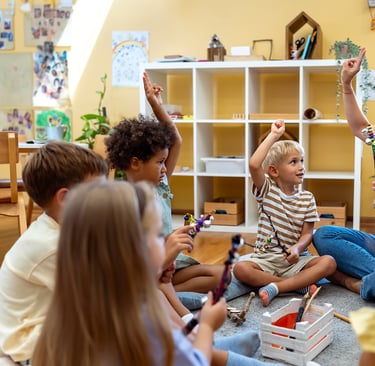
1. Gratitude Routines
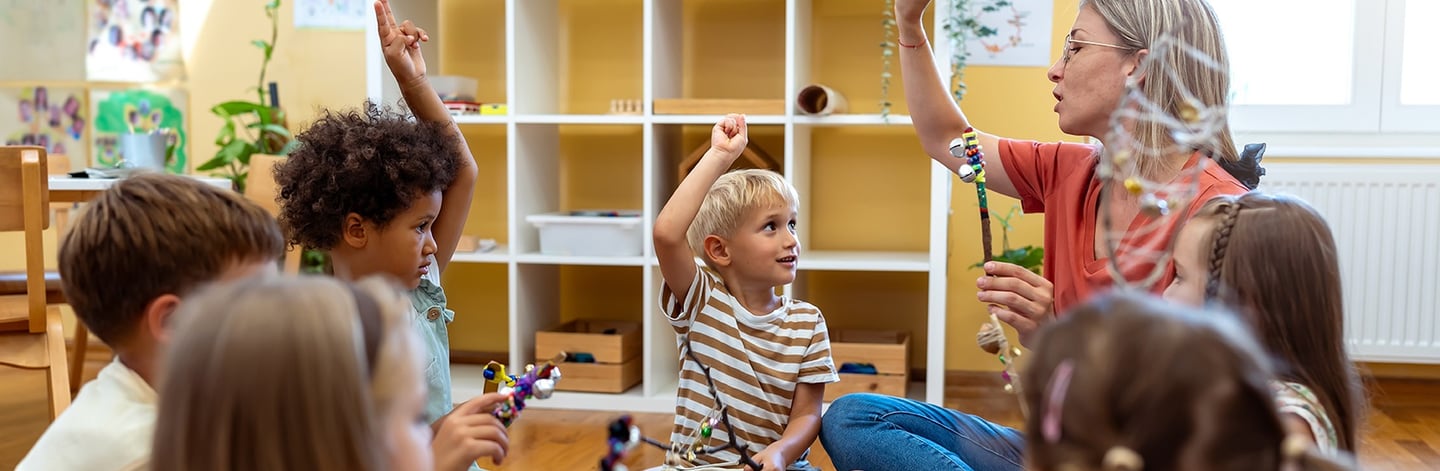
Add a short reflection to morning meetings, end-of-day circles, or dinner tables:
“What’s one thing that felt good today?”
“Who made your day a little easier?”
Children can answer with gestures, words, drawings, or objects that represent their ideas.
2. Family Gratitude Shares
Invite families to send in a photo or quick note about something meaningful in their home:
a favorite food
someone who cares for them
a special routine
a place they love
Celebrate these shares throughout the room or in your newsletter, no “holiday” required.
3. Acts of Kindness Projects
Rather than focusing on a meal or a historical event, focus on community care:
Make kindness cards for staff
Create a “helping hands” wall
Notice moments when classmates help each other
These highlight gratitude in action, not performance.
4. Share Stories That Honor Many Cultures
Choose books that highlight family traditions, gratitude, and connection from all backgrounds. Avoid books that oversimplify or distort Indigenous history.
A few themes to look for:
Family rituals
People working together
Community helpers
Saying thank you in different ways
This helps all children feel included and respected.
How Educators Can Introduce This to Families
You can still communicate a sense of celebration without relying on a holiday theme. Try language like:
“This month, we’re focusing on gratitude, kindness, and moments that bring us together as a community.”
OR
“In our classroom, we’re learning about how families show appreciation and care in many different ways.”
This sets a clear, inclusive tone — and parents often appreciate knowing why you’re moving away from outdated activities.
The Bigger Picture
When we center gratitude in November — instead of a narrow version of Thanksgiving — we:
support children’s social-emotional development
honor diverse families and cultural practices
avoid stereotypes that harm Indigenous communities
build a real connection between home and school
Gratitude becomes something children feel, practice, and notice — not something tied to a holiday or a costume.
As the month ends, take a moment to ask yourself:
What helped me feel connected this month?
How did I see gratitude show up in my classroom or home?
*This post draws on research from Frontiers in Psychology, Developmental Psychology, the Journal of Positive Psychology, Psychology in the Schools, and Educational Integrity, as well as insights from the Greater Good Science Center at UC Berkeley and the University of Illinois at Urbana-Champaign, and The Danger of a Single Story: https://www.youtube.com/watch?v=D9Ihs241zeg