Rebuilding Expectations: Teaching Skills Without Power Struggles
1/11/2026

After time away, adults often feel pressure to tighten expectations quickly. When children struggle, it can be tempting to respond with firmer rules, louder reminders, or consequences meant to “get things back on track.” While structure is important, power struggles tend to increase when expectations are enforced without first being practiced. For young children, expectations are skills, not rules they instantly remember.
Children are more likely to meet expectations when they feel capable and supported. That means adults need to model, practice, and rehearse behaviors rather than correct them in the moment. Walking in line, using gentle hands, cleaning up, or listening during group time all require coordination, emotional regulation, and impulse control. These skills are still developing, especially after disruption.
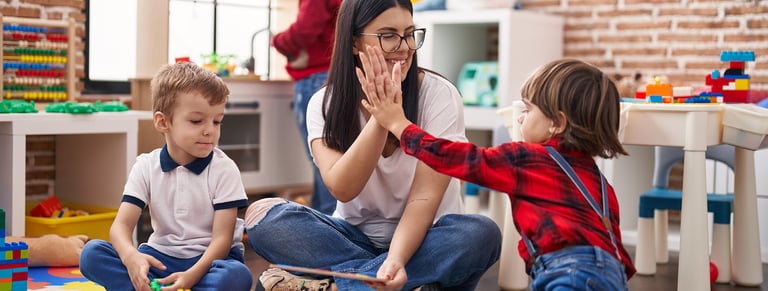
Play is one of the most effective ways to rebuild expectations. Turning routines into games, practicing behaviors when no one is upset, and celebrating effort helps children internalize expectations without fear or resistance. When adults shift from “You’re not doing this right” to “Let’s practice this together,” children experience expectations as achievable rather than threatening.
Rebuilding expectations in January works best when adults focus on progress over perfection. Each successful attempt, no matter how small, builds confidence. When children feel successful, cooperation increases naturally, and power struggles fade. Expectations stick not because they’re enforced, but because they’re understood and practiced in relationship.
Download your free printable guide:
“Let’s Practice!” Expectation Play Cards