Teaching Gratitude in Early Childhood
11/3/2025
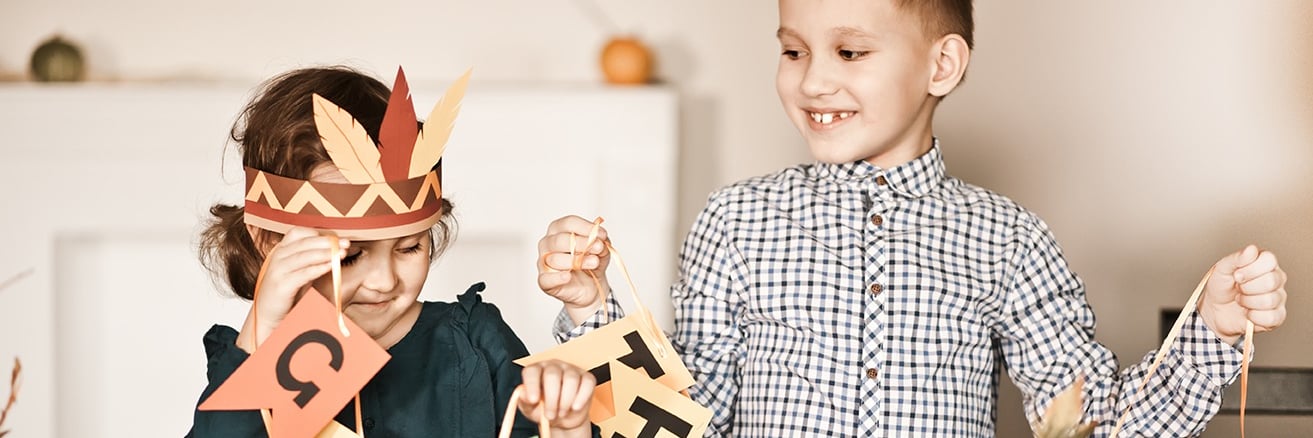
Every November, classrooms fill with paper turkeys, “I’m thankful for…” lists, and endless reward charts for “kind” behavior. The intention is good; helping children recognize appreciation and kindness, but the approach often misses the mark. Gratitude isn’t something we can force through stickers or songs. It’s something we model, nurture, and make meaningful through connection.
Gratitude Is a Skill, Not a Reflex
For young children, gratitude develops gradually. It begins with noticing (“You gave me a toy”), then moves to understanding intention (“You shared because you care about me”), and finally to expressing appreciation. According to the ZERO TO THREE framework, this progression unfolds through secure relationships, consistent routines, and emotionally responsive caregiving, not token systems.
Why Rewards Undermine Real Gratitude
Sticker charts and “thankful trees” often focus on performance (“Say thank you to earn a sticker”) instead of genuine emotion. When gratitude is reduced to compliance, children learn to associate kindness with external approval rather than internal motivation. Long term, that dulls empathy rather than deepening it.
A Note About “Thankful Trees”
You may have seen, or even used, a “Thankful Tree” in your classroom or home. The difference isn’t the tool; it’s the intention behind it.
If each leaf becomes a moment of reflection—like asking, “What felt good today?” “Who helped you?” or “What are you proud of?”—children start connecting feelings, kindness, and gratitude naturally. When it’s not about filling the tree or pleasing adults, but about noticing and naming positive connections, that’s emotional literacy in action.
Used that way, the Thankful Tree becomes more than a seasonal craft. It becomes a visible reminder of relationships and joy—something that grows from within, not from adult direction.
What Works:
Here’s how to help children feel thankful, not just say the words:
Model it out loud.
“I feel grateful that you helped clean up the blocks. That made our classroom feel peaceful.”Name emotions and reasons.
“When you shared your crayons, it made Sam feel happy. That’s something kind people do.”Build moments of giving.
Let children make cards, deliver snacks, or help peers—it’s the act of giving that shapes understanding.Reflect during routines.
End the day with a brief “What made your heart happy today?” circle. Keep it optional and authentic.Include yourself.
Children watch how adults treat one another. When educators thank each other genuinely, children absorb it.
Gratitude Without Performances
Skip the forced “what are you thankful for” projects if they feel hollow. Instead, weave gratitude into everyday moments—when a friend shares, a child helps, or someone comforts another. Gratitude isn’t seasonal. It’s relational.
Closing Reflection
Gratitude grows in the same soil as empathy and regulation: safety, connection, and belonging. When we replace sticker charts with real moments of thanks, we give children the chance to feel seen and valued, and that’s what gratitude truly is.