
When Calm Isn’t Quiet: Rethinking Regulation in Early Childhood
12/15/2025

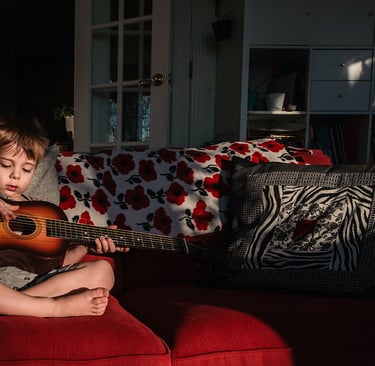
Calm in young children is often misunderstood. Many adults, both at home and in classrooms, have been trained to associate calm with silence, stillness, and compliance. Regulation looks very different for young children. A child who is talking through their feelings, moving their body, asking repeated questions, or staying physically close to an adult may be working hard to regulate. When adults expect quiet before connection, children receive the message that their natural regulation strategies are unacceptable. Over time, this can lead to children suppressing emotions rather than learning how to manage them.
When we shift our understanding of calm, responses change. Instead of correcting behavior immediately, adults can begin by naming what they see and offering presence. Simple statements such as, “Your body looks like it needs to move right now,” or “You’re having big feelings and I’m here with you,” help children feel understood and supported. This does not mean adults remove boundaries or expectations, it just means regulation comes before redirection. When children feel safe and supported, they are far more capable of settling their bodies and engaging appropriately.
A helpful strategy for adults is to pause and check their own expectations in moments of noise or movement. Asking, “Is this unsafe, or just uncomfortable for me?” can shift the response from control to connection. Supporting regulation is about helping children feel secure enough to calm themselves over time. When adults model acceptance and calm presence, children learn that regulation is something they grow into.
Download your free printable guide:
December Calm Moments: Guide for Supporting Children’s Regulation at Home and School